How Building Services Can Be Designed Around Planning Constraints
Every construction project comes with its own set of requirements, and sometimes the most appropriate building services solution is shaped not only by the needs of the building itself, but also by planning constraints.
Restrictions relating to external equipment, available space, appearance, noise or the location of plant can all influence mechanical services design. Rather than viewing these requirements simply as obstacles, they can become part of the design process, encouraging engineers to develop alternative solutions that deliver the required performance while responding to the specific circumstances of the project.
Understanding Constraints at an Early Stage
Building services equipment can require a significant amount of space, both internally and externally. Air conditioning condensers, ventilation equipment, pipework and other plant all need appropriate locations, while factors such as maintenance access and system performance also need to be considered.
Planning requirements can place additional restrictions on where this equipment can be installed. On some developments, there may be limits on the amount of visible rooftop plant, while others may have specific requirements relating to noise, building appearance or surrounding properties.
Identifying these considerations early gives the mechanical design team more opportunity to develop an appropriate solution before installation begins.
Finding Alternative Mechanical Solutions
There is rarely only one way to meet a building’s heating, cooling or ventilation requirements.
Different technologies and system configurations can be considered depending on the project. The challenge is finding an approach that satisfies the practical requirements of the building while also working within the restrictions surrounding the development.
This makes system selection particularly important. Rather than specifying equipment in isolation, engineers need to consider available space, plant locations, distribution routes, building usage and any planning requirements as part of the wider mechanical strategy.
Ibis Hotel Ealing – Designing Around Rooftop Restrictions
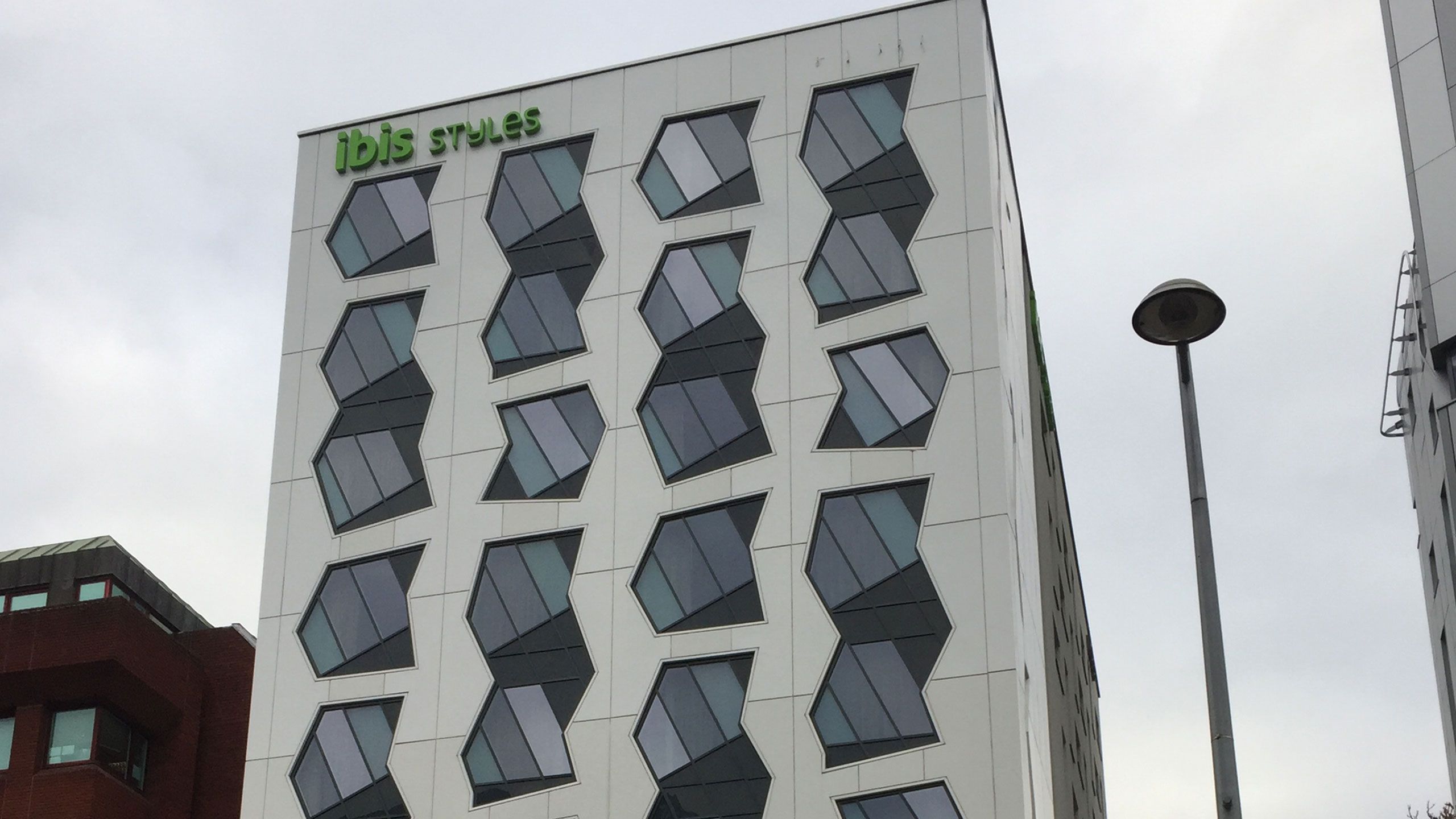
Hartle encountered exactly this type of challenge while delivering mechanical services for the 120-bedroom Ibis Hotel in Ealing.
Hartle supplied the hotel’s mechanical services, including boosted hot and cold water served via a district heating system, ventilation with heat recovery, air conditioning and above-ground drainage.
A particular consideration was the air conditioning system. Planning restrictions meant the condenser footprint on the roof needed to be reduced. Hartle installed a water-cooled VRV system serving all 120 bedrooms, specifically allowing the project to reduce the amount of condenser equipment required at roof level and overcome the planning restriction.
It demonstrates how the choice of mechanical system can provide a practical solution to a project-specific constraint without compromising the building’s requirement for effective air conditioning.
> See the project here
Looking Beyond Individual Systems
Planning constraints can also highlight the importance of considering mechanical services as a complete package.
Changing one element of the design can have implications elsewhere. A different air conditioning solution, for example, may affect plant requirements, pipework routes, electrical requirements, controls and available service space.
Effective coordination allows these relationships to be considered together, helping ensure that solving one challenge does not create another elsewhere within the building.
Balancing Performance with the Building’s Surroundings
Building services need to perform effectively, but they also form part of a wider development.
Particularly in built-up locations, the impact of external mechanical equipment may need careful consideration. Rooftop plant can potentially affect the appearance of a building, while equipment selection and positioning can also be influenced by neighbouring properties and the surrounding environment.
Thoughtful mechanical design can help balance these considerations with the operational requirements of the building.
Planning for Installation and Maintenance
Finding a solution that meets planning requirements is only one part of successful building services design.
Equipment must still be practical to install, commission and maintain. Engineers therefore need to consider how plant will be accessed, how components can be serviced and whether equipment can eventually be repaired or replaced without unnecessary disruption.
Taking these factors into account during design helps create a solution that works both at the point of installation and throughout the building’s operation.
Finding the Right Solution for Each Project
No two developments are exactly the same. Available space, building design, location, planning requirements and intended use can all influence the most appropriate mechanical services strategy.
The Ibis Hotel Ealing demonstrates how adapting the mechanical design to the specific requirements of a project can provide an effective solution. Hartle’s installation was completed on time and within budget, while providing the hotel with the mechanical services required across its 120 bedrooms.
By considering project constraints from an early stage and selecting systems accordingly, Hartle can develop mechanical solutions that respond to the individual requirements of each building rather than relying on a one-size-fits-all approach.
See our accommodation projects here
If you would like to find out more, why not reach out to the team.